
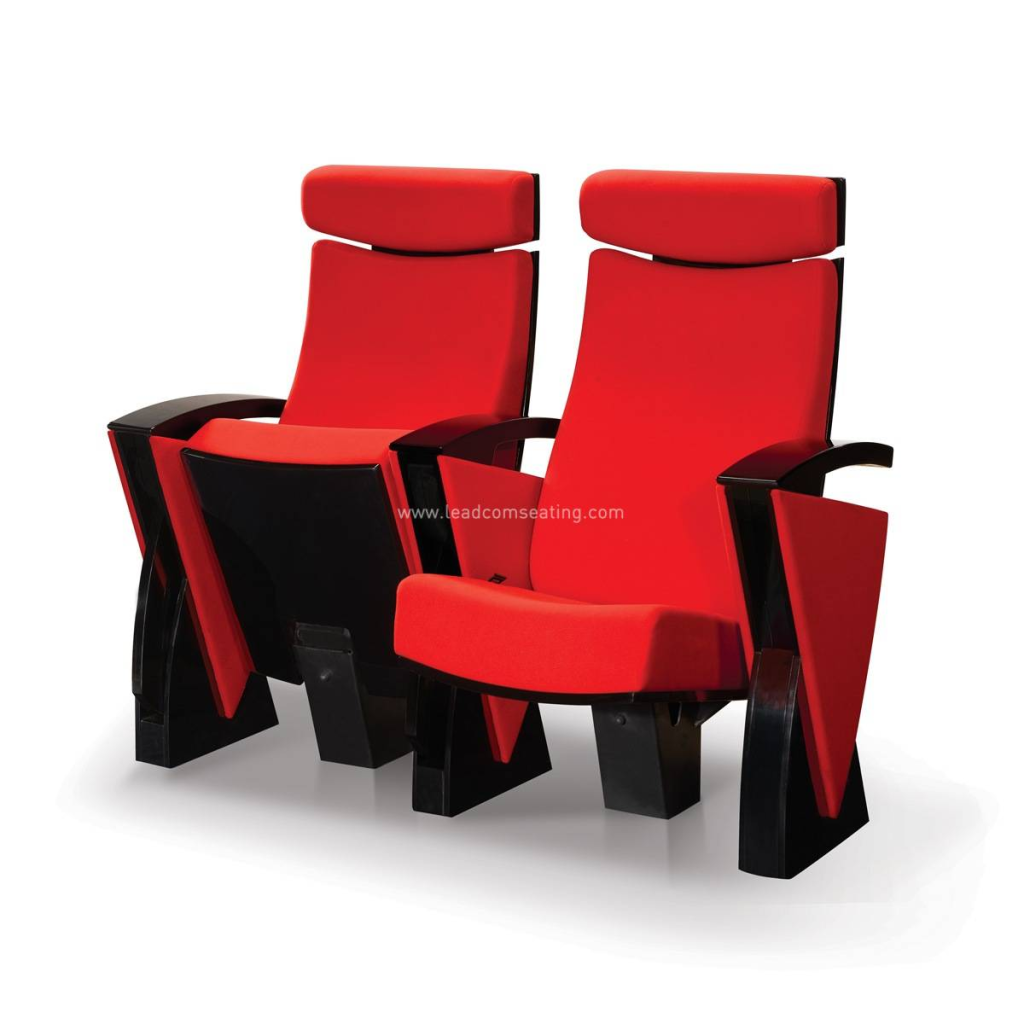
Sound absorption in a cinema auditorium is influenced by wall treatment, speaker calibration, room shape, and the seating installed across the floor. Commercial theater chairs occupy a significant portion of the auditorium volume and contribute to the room’s overall acoustic response, so their materials and spacing can affect how sound is heard. Theatre seating should support acoustics, aesthetics, and atmosphere rather than act as a separate decorative item. For government cultural venues, commercial cinemas, education auditoriums, and overseas agents, this makes theatre seating selection a technical decision, especially when a venue has invested heavily in sound systems. With Leadcom Seating in the specification, the chair becomes one element coordinated with acoustic design rather than an afterthought.
Seats as Part of the Acoustic Field
Upholstery and cushion volume may absorb some reflections, while hard exposed parts can create unwanted bounce. The goal is not to make every seat act like a sound panel, but to avoid disrupting the room’s sound plan. Auditorium theatre seating should coordinate acoustics and sightlines so the performance experience remains clear. When evaluating commercial theater chairs, venue owners should ask how row spacing, back height, material density, and occupancy assumptions match the acoustic consultant’s recommendations. Early seating data can prevent late corrections after the room has already been tuned.
Spacing, Upholstery, and Sound Balance
Customized acoustic-matching spacing can help seats avoid interfering with intended auditorium sound distribution. This is especially relevant in premium halls where sound systems are carefully tuned. A specialist seating supplier should compare fully upholstered options, compact designs, and premium recliners in relation to the audio strategy. Large entertainment groups may focus on repeat visitor satisfaction, while schools or public theatres may need a balanced solution for lectures, performances, and screenings. Project teams should also compare the room when empty and occupied, because acoustic behavior changes once fabric, bodies, and seat backs fill the hall.
Acoustic Planning Before Installation
The practical decision should be made before final installation drawings are locked. If the seating system changes after acoustic planning, sightlines and sound balance may both be affected. For overseas agents, explaining this relationship can raise the quality of client discussions. Proper theatre seating planning allows commercial theater chairs to support audio clarity, comfort, and a consistent viewing experience instead of becoming a late-stage furnishing choice. This is also valuable for large enterprise venues and healthcare education theatres where speech clarity and visitor comfort must be protected together. When the seating plan is stable early, acoustic coordination becomes easier for designers, installers, and venue managers. A Leadcom Seating project team can also connect seat choice with installation drawings before acoustic decisions become fixed.