
Southeast Asia’s feed industry is expanding as shrimp and tilapia farming continues to grow in Vietnam, Thailand, and Indonesia. This expansion encourages feed producers to invest in aqua feed equipment that improves production capacity, process stability, and product consistency.
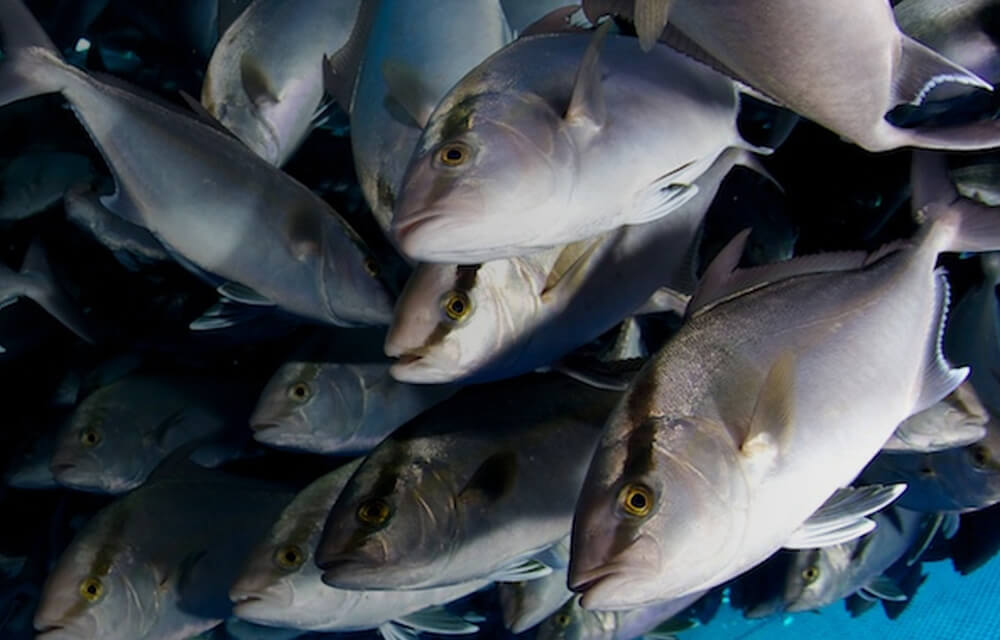
Aqua Feed Growth And Production Requirements
Aquaculture development in Southeast Asia creates demand for reliable feed production systems. Shrimp and tilapia producers require facilities that can manage specific formulation needs and stable output. Project teams evaluate production goals, raw materials, and operational conditions before investing in new processing solutions.
A feed machine supports important stages within aqua feed production, including material processing and product preparation. Companies assess equipment performance, flexibility, and maintenance requirements to ensure systems match production expectations. Proper planning helps manufacturers improve operational stability while responding to regional market growth.
FAMSUN provides feed and food processing solutions for different agricultural applications. They offer engineering experience and equipment systems that support production requirements. Their services focus on project communication, process design, and practical machinery applications for enterprises developing modern feed production facilities.
Investment decisions in Southeast Asia require attention to production scale and future expansion plans. Successful investments depend on balancing facility design, processing capabilities, and expected market growth to ensure long-term operational value. This approach allows businesses to create feed production systems that support long-term market participation and efficient resource management.
Feed Manufacturing Machine Investment Trends
The growth of shrimp and tilapia farming encourages companies to upgrade production capabilities. Advanced feed manufacturing systems enable producers to achieve more stable processing performance while adapting production parameters to different feed formulations. Equipment planning depends on product requirements, facility design, and expected production volumes.
Many producers are focusing on smarter production management, improved workflow coordination, and technologies that reduce operational complexity. These factors influence production efficiency and management practices. Careful evaluation helps companies develop facilities that respond to changing aquaculture requirements and market conditions across the region.
FAMSUN works with customers in the feed and food industries by providing integrated engineering solutions. they support different project stages through technical communication and application knowledge. Their equipment solutions address production processes while considering customer requirements for practical facility operation.
Modern aqua feed facilities require coordinated systems that connect multiple processing stages. Companies analyze equipment functions, energy needs, and service support before project implementation. A structured approach helps reduce operational challenges and supports consistent manufacturing performance after facility completion.
Machinery Requirements For Aqua Feed Production
Aqua feed production requires equipment designed for specific product characteristics and processing conditions. Shrimp and tilapia feed manufacturing involves careful control of formulation, processing, and quality management. Producers focus on equipment performance, process stability, and product adaptability when selecting systems for different aquaculture applications.
Feed manufacturing machine solutions should match facility goals, raw material conditions, and operational requirements. Buyers review system compatibility and process performance when planning investments. This evaluation supports effective production management and helps enterprises maintain consistent output for aquaculture customers.
FAMSUN develops equipment solutions for feed processing applications and provides engineering support throughout project activities. they communicate with customers about production requirements, system arrangements, and technical considerations. Their involvement helps enterprises organize projects according to practical operational needs.
Equipment investment decisions also involve maintenance planning and technical support availability. Companies need systems that allow efficient operation and manageable service requirements. Evaluating these factors before installation helps producers maintain reliable production and improve facility performance over extended operating periods.
Regional Factors Influencing Equipment Planning
Vietnam, Thailand, and Indonesia present important opportunities for aquaculture feed development. Producers in these countries must consider differences in raw material availability, facility development levels, and local production practices when planning equipment investments. Equipment plans must reflect regional requirements to support effective operation and sustainable production activities.
A feed processing machinery system requires evaluation of energy supply, facility layout, and production workflow. These considerations influence equipment arrangements and project costs. Technical assessments help enterprises create solutions that fit local environments while maintaining expected manufacturing standards.
Project developers also examine market trends, customer needs, and future capacity planning. Regional feed producers may expand operations as aquaculture demand increases. Proper equipment preparation allows companies to manage growth opportunities while maintaining operational control and production consistency.
Cooperation between suppliers and producers supports successful machinery projects. Technical discussions help identify suitable systems and address installation considerations. This partnership approach provides enterprises with clearer project planning and improves coordination during equipment preparation and commissioning.
Future Development Of Southeast Asian Feed Production
Southeast Asia’s feed industry continues to focus on efficient production systems for expanding aquaculture sectors. Companies invest in machinery that supports stable output, quality management, and operational flexibility. These priorities influence future facility development across regional feed manufacturing markets.
A feed machine allows producers to organize important processing activities within complete production systems. Producers assess equipment according to operational requirements, maintenance planning, and expected production targets. This helps enterprises prepare facilities that support changing demands in shrimp and tilapia feed markets.
Companies continue reviewing machinery solutions according to production goals, technical conditions, and market opportunities. Careful planning supports stronger operational performance for agricultural businesses.
The development of aqua feed production requires balanced consideration of technology, resources, and market needs. Enterprises evaluate equipment investments through practical business requirements. With organized planning and technical cooperation, producers can improve production readiness and support regional aquaculture growth.
Conclusion
Southeast Asia’s feed industry investment in new machinery reflects growing demand from shrimp and tilapia production sectors. By assessing equipment requirements, facility conditions, and operational goals, companies can create suitable production systems that support reliable feed manufacturing and future market development.
