Agricultural irrigation requires consistent water delivery to support crop growth, but maintaining stable pressure can be challenging when the power supply changes throughout the day. Solar-powered irrigation systems rely on photovoltaic energy, which naturally fluctuates with sunlight intensity, weather conditions, and seasonal changes. Without proper control technology, these variations may affect pump speed, water flow, and irrigation efficiency.
Advanced solar inverter solutions provide a practical approach to managing these challenges by adjusting pump operation according to available solar energy and water demand. For agricultural engineers, system integrators, and irrigation project developers, selecting suitable equipment from an experienced solar inverter manufacturer is essential to achieving reliable water pressure control and long-term system performance.
Why Pressure Stability Matters in a Solar Irrigation System
A solar irrigation system is designed to use renewable energy to power water pumps in agricultural fields, greenhouses, and remote farming areas. Unlike grid-connected systems with stable electricity, solar-powered systems must continuously adapt to changing energy input.
Pressure fluctuations can influence irrigation uniformity, especially in systems using drip irrigation, sprinklers, or large-scale agricultural networks. If pump output changes significantly during operation, some areas may receive insufficient water while others may experience excessive flow.
Maintaining stable pressure requires coordination between photovoltaic input, inverter control, pump performance, and water demand. This is where intelligent solar inverter solutions become important, as they allow the system to adjust motor speed instead of relying on fixed-speed pump operation.
How Solar Inverters Regulate Pump Performance
The inverter acts as the connection between photovoltaic panels and the water pump motor. It converts solar energy into suitable electrical output and controls the pump frequency based on operating conditions.
When sunlight intensity increases, the inverter can increase pump speed to utilize available energy and improve water output. When solar power decreases, the inverter reduces motor speed to maintain continuous operation instead of causing frequent shutdowns.
This variable-speed adjustment helps a solar irrigation system maintain more stable pressure throughout the day. By matching pump performance with actual energy availability, the system can reduce unnecessary energy loss and provide more consistent irrigation results.
MPPT Technology Improves Solar Energy Utilization
One of the key technologies affecting solar pumping efficiency is Maximum Power Point Tracking (MPPT). Solar panels do not always produce their maximum output because voltage and current change with environmental conditions. MPPT technology allows the inverter to identify and utilize the optimal operating point of photovoltaic modules.
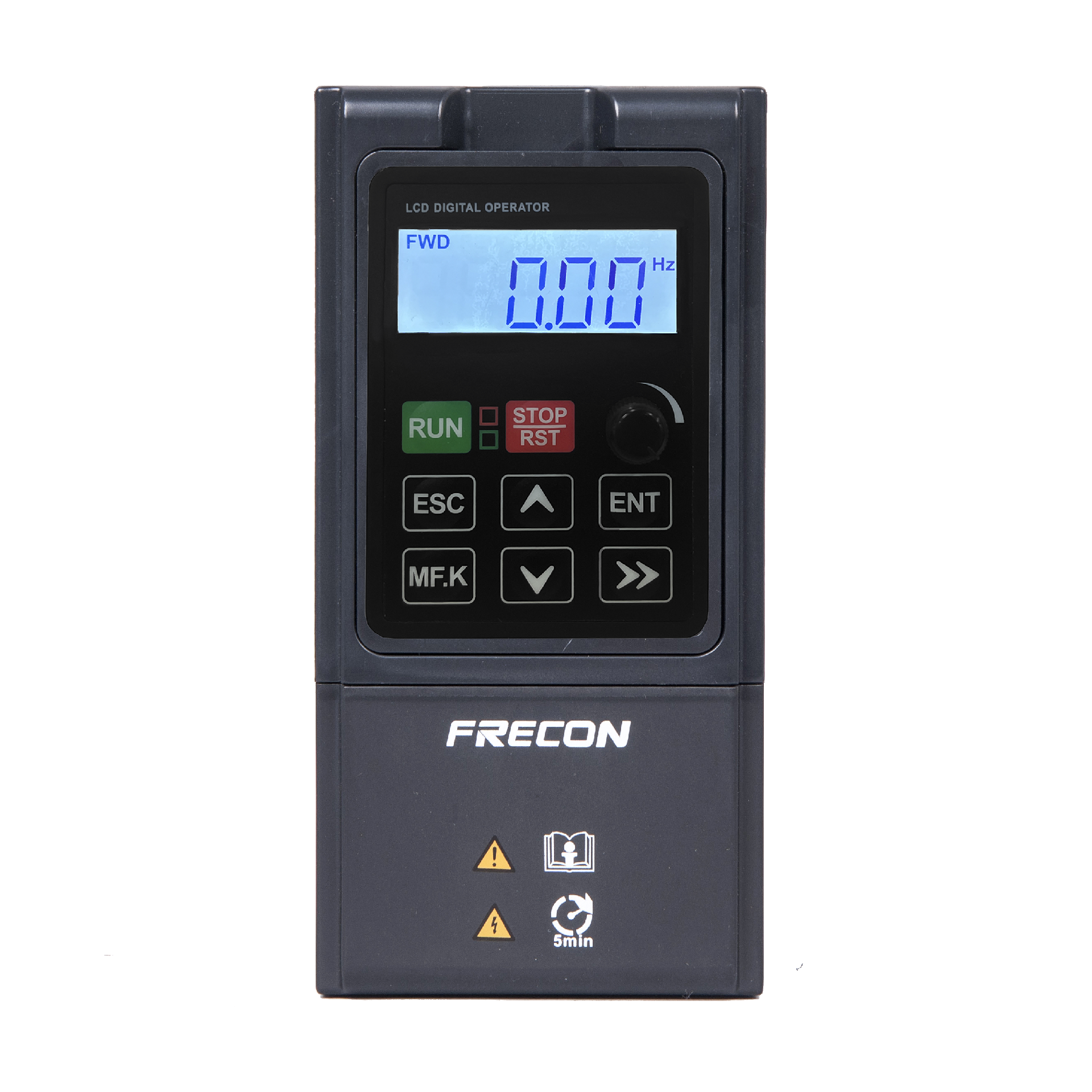
The PV150A Series Solar Water Pump Inverter from FRECON is an advanced MPPT VFD solar pump inverter designed for photovoltaic pumping applications. It provides stable hybrid supply, built-in protection, advanced MPPT algorithms, and battery-free operation to support efficient water delivery.
As a professional solar inverter manufacturer, FRECON developed the PV150A Series with advanced MPPT algorithms that achieve up to 99% efficiency. This helps maximize solar energy utilization while supporting reliable pump operation in agricultural applications.
Intelligent Water Management Supports Reliable Irrigation
Stable pressure management is not only related to energy conversion but also depends on effective water-level control. Running a pump without sufficient water can cause mechanical damage and reduce service life.
The PV150A Series Solar Water Pump Inverter includes intelligent water management functions, including dry-run protection and tank water level monitoring. When the water source level becomes too low, the system can automatically stop the pump to prevent damage. Once the tank has enough water, the inverter can resume operation.
These features help agricultural operators reduce maintenance requirements and improve the reliability of their solar irrigation system. For remote farming locations, automatic protection functions are especially valuable because they reduce the need for frequent manual monitoring.
Choosing Suitable Solar Inverter Solutions for Irrigation Projects
Different irrigation projects have different requirements based on crop type, field size, water source conditions, and pump specifications. Therefore, selecting the right inverter technology requires careful consideration of system design and operating conditions.
A reliable solar inverter manufacturer should provide solutions that support flexible configuration, efficient operation, and protection against common system risks. Functions such as MPPT control, overload protection, water-level monitoring, and adaptive operation can significantly improve overall system performance.
For engineering contractors and agricultural solution providers, working with experienced suppliers helps ensure that inverter selection matches the actual application. Properly designed solar inverter solutions can improve irrigation consistency while reducing dependence on conventional power sources.
Improving Long-Term Efficiency Through Advanced Solar Pump Control
Beyond initial installation, long-term performance depends on how effectively the system responds to changing conditions. Solar radiation varies throughout the day, and irrigation requirements may also change according to crop growth stages and weather conditions.
A smart inverter allows operators to optimize pump operation without manually adjusting settings. By controlling frequency, monitoring water levels, and protecting equipment from abnormal conditions, the inverter creates a more stable operating environment.
The PV150A Series demonstrates how modern solar inverter technology can combine energy optimization and intelligent control. Its MPPT capability, no-battery operation design, and water management functions make it suitable for applications requiring efficient and dependable pumping performance.
Building More Reliable Solar Irrigation Systems with Advanced Inverter Technology
Stable pressure is a key requirement for efficient agricultural irrigation, and solar power fluctuations should not prevent consistent water delivery. Through precise motor control, MPPT technology, and intelligent protection functions, modern inverters help overcome the challenges associated with photovoltaic-powered pumping.
For agricultural projects seeking dependable renewable energy solutions, choosing the right solar inverter manufacturer is an important step toward improving system reliability. With advanced products such as the PV150A Series Solar Water Pump Inverter, FRECON provides solar inverter solutions that help create efficient, stable, and sustainable irrigation systems.