
Cross-border passenger transport involves more than meeting the practical demands of long-distance travel; vehicles must also satisfy the regulatory requirements of the markets in which they operate. For a long range electric bus, European certification affects whether a vehicle can be registered and used legally, while its technical documentation helps operators assess safety, environmental performance, and roadworthiness.
The European Whole Vehicle Type Approval system, commonly known as WVTA, provides a framework for demonstrating compliance with applicable vehicle requirements. Yutong Bus operates in international markets where understanding these approval processes is important for vehicle suppliers, importers, and fleet operators planning electric coach deployments.
What WVTA Certification Covers
Whole Vehicle Type Approval assesses whether a vehicle type meets the relevant regulatory requirements before it is placed on the market. Rather than relying on a single inspection, the process draws on technical documentation, test results, and conformity procedures. The exact requirements depend on the vehicle category, the applicable legislation, and the approval route used.
For electric tourist coaches, relevant areas may include braking, steering, lighting, passenger safety, electromagnetic compatibility, and electric powertrain safety. Requirements can also cover vehicle dimensions, mass, emergency exits, and other construction features. Battery-electric vehicles must address specific provisions applicable to high-voltage systems and electrical safety, alongside requirements shared with other vehicle types.
WVTA should not be confused with a general quality certificate or a statement that a vehicle is suitable for every operating environment. Type approval applies to a defined vehicle type and configuration, and additional national registration or operational requirements may still apply. Fleet buyers should confirm which approval documents are available for the precise model and specification being purchased.
How Electric Powertrains Affect Compliance
Electric coaches introduce technical considerations that differ from those of conventional combustion-engine vehicles. High-voltage components require suitable protection against electric shock, while the battery system must comply with applicable safety requirements. Depending on the approval framework, relevant evidence may include testing, component documentation, and assessments of the electrical architecture.
A long range electric bus also needs to be assessed as a complete vehicle rather than on battery capacity alone. Changes to battery configuration, vehicle mass, axle loads, or electrical components may affect technical documentation and the applicability of existing approval. Operators should ask whether the specific configuration offered is covered by the relevant approval and whether any modifications require additional assessment.
Charging compatibility and day-to-day range remain important fleet-planning considerations, but they are not substitutes for regulatory compliance. Certification documentation establishes whether the vehicle meets applicable legal requirements; route trials and operational data help determine how effectively it performs in real service. Keeping these two assessments distinct helps prevent technical marketing information from being mistaken for evidence of legal approval.
Verifying Documents Before Purchasing a Coach
Procurement teams should request the relevant whole-vehicle approval certificate and associated documentation from the supplier or authorized representative. The vehicle type, variant, version, and configuration should match the proposed order as closely as the approval framework requires. Any mismatch warrants clarification before the purchase or registration process proceeds.
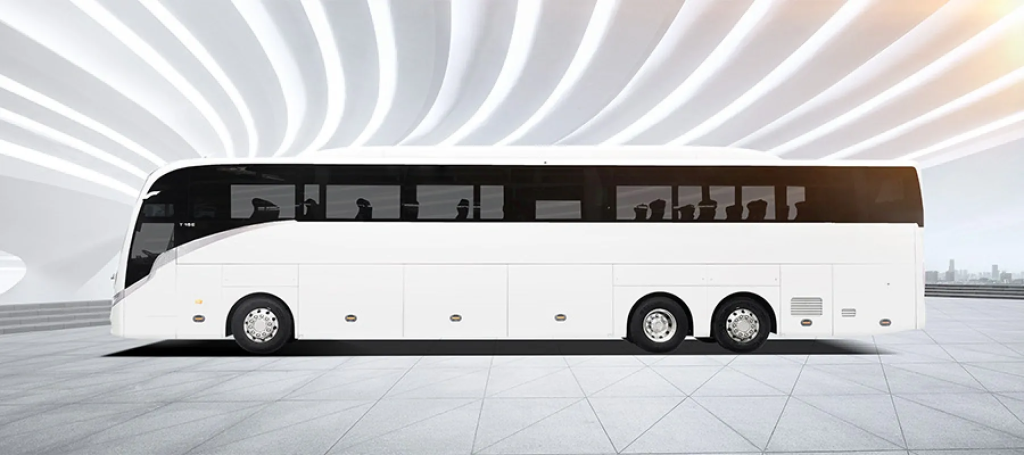
The T15E is listed on Yutong’s product website as an electric coach model. Its suitability for a particular European market should be assessed using current, model-specific approval documentation rather than inferred from its product description alone. Buyers should confirm the applicable approval status directly with the supplier and relevant authorities, especially if the vehicle will be registered in a different country from the one in which it was first supplied.
Documentation should also be reviewed for consistency across the vehicle identification number, technical specifications, conformity paperwork, and registration records where applicable. Importers may need to verify whether national procedures, individual vehicle approval, or additional administrative steps apply to their circumstances. A document checklist shared by procurement, technical, and compliance teams can reduce delays caused by missing or inconsistent information.
Maintaining Compliance After Vehicle Delivery
Approval is not the only regulatory concern once a coach enters service. Operators must maintain the vehicle in a condition that continues to satisfy relevant roadworthiness rules and follow applicable inspection schedules. Repairs, replacement parts, and modifications should be managed carefully, particularly if they affect safety-related systems or approved vehicle characteristics.
Fleet managers should retain service records, inspection results, and relevant technical documents throughout the vehicle’s operating life. If a major component is replaced or the vehicle is modified, qualified technicians should establish whether the change affects the existing approval or triggers additional obligations. Requirements vary according to the modification and the applicable rules, so specialist advice may be necessary.
Regulations can also change over time. Importers and fleet operators should monitor updates from relevant European and national authorities, particularly when planning new purchases or deploying vehicles across multiple jurisdictions. A consistent process for document checks, maintenance records, and regulatory reviews makes compliance easier to demonstrate during inspections or registration procedures.
Conclusion
European type approval provides a structured basis for confirming that an electric tourist coach meets the regulations applicable to its vehicle type, but careful document verification remains essential. Buyers should examine the exact configuration, confirm approval evidence with the supplier, and account for any national registration or operating requirements.
International passenger transport markets served by Yutong Bus require regulatory clarity as part of responsible fleet planning. By combining verified certification records with sound maintenance and operational procedures, operators can make more informed decisions about introducing electric coaches into European service.